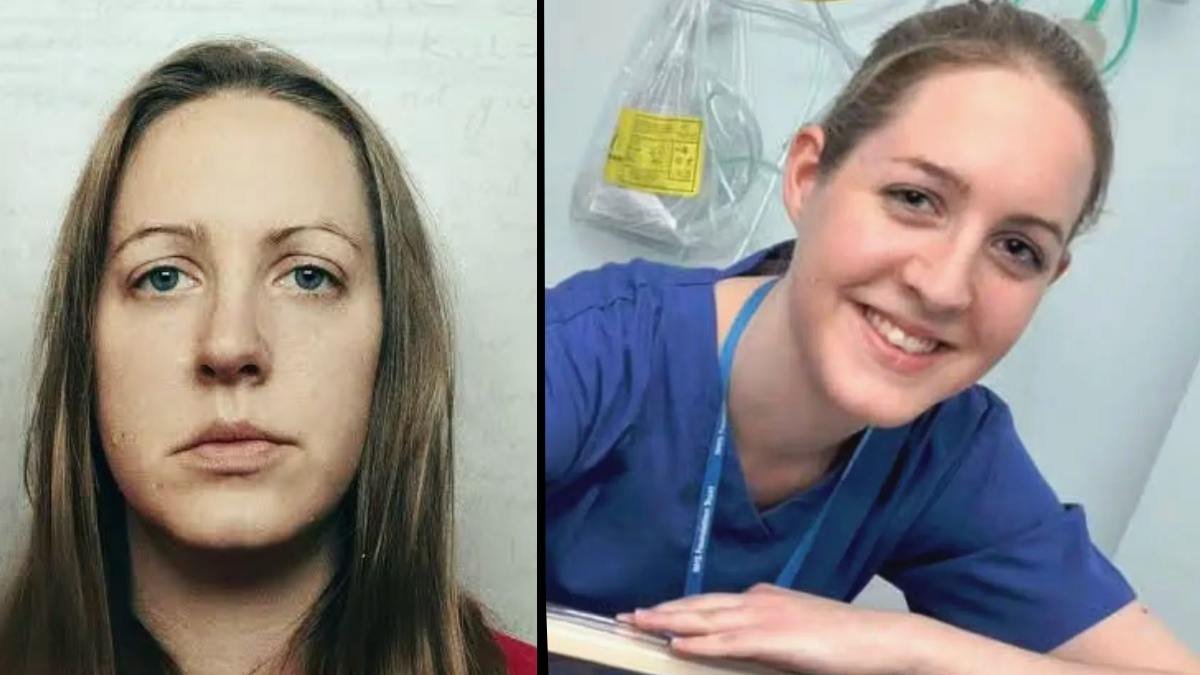

Lindsay Clancy is a former labor and delivery nurse from Massachusetts whose name became widely known after the deaths of her three young children in Duxbury in January 2023. The case drew national attention because of the devastating circumstances and questions surrounding her mental condition before and during the incident.
By 2026, the case had moved into a highly publicized murder trial in Plymouth Superior Court. Her lawyers do not dispute that she caused the children’s deaths, but they argue that severe mental illness meant she lacked criminal responsibility. Prosecutors argue that her actions were intentional and planned.
Quick Bio
| Detail | Confirmed Information |
|---|---|
| Full Name | Lindsay Clancy |
| Age | 36, as reported in 2026 |
| Associated Location | Duxbury, Massachusetts |
| Profession | Former labor and delivery nurse |
| Former Workplace | Massachusetts General Hospital |
| Former Husband | Patrick Clancy |
| Court | Plymouth Superior Court, Massachusetts |
| Plea | Not guilty |
| Current Case | Murder trial involving the deaths of her three children |
Who Is Lindsay Clancy?
Before the case attracted national attention, Lindsay Clancy worked as a labor and delivery nurse at Massachusetts General Hospital. Public reporting has described her as living with her husband and children in Duxbury, a coastal Massachusetts community south of Boston.
There is limited reliable public information about her earlier personal life, education, or childhood, so those details should not be treated as established facts. What has been clearly documented is her nursing career, her role as a mother of three and the medical treatment lindsay clancy received for psychiatric symptoms before January 2023.
The January 2023 Tragedy in Duxbury
On January 24, 2023, Lindsay Clancy’s three children — Cora, Dawson and Callan — were fatally strangled at the family’s Duxbury home. The case later developed into a closely watched Massachusetts murder trial, with prosecutors and the defense presenting sharply different arguments about her criminal responsibility.
Her then-husband, Patrick Clancy, had left the house to collect takeout food and an item from a pharmacy. After returning, he found Lindsay outside after she had fallen from a second-story window and later discovered the children inside the home. Clancy survived but was left paralyzed from the waist down.
Criminal Charges and Court Proceedings
Lindsay Clancy pleaded not guilty after criminal charges were brought against her. A grand jury later indicted her in connection with all three deaths, moving the case into Massachusetts Superior Court. The prosecution has maintained that the killings were deliberate rather than actions committed by someone unable to understand or control her conduct.
Before the 2026 trial, prosecutors dropped three separate strangulation charges after describing them as redundant to the murder counts. The murder trial then moved forward in Plymouth Superior Court, with jury selection beginning on July 20, 2026.
Mental Health and the Defense Case
Mental health is at the center of the defense strategy. Clancy’s attorneys argue that she was experiencing a severe psychiatric condition connected with the postpartum period. They intend to establish that she should be found not criminally responsible, the Massachusetts legal concept commonly associated with an insanity defense.
Evidence presented during the trial has shown that she had sought psychiatric care before the deaths. According to reporting on the proceedings, she consulted multiple providers, tried various prescribed medications, contacted crisis services, visited an emergency room and spent several days receiving inpatient psychiatric treatment. A forensic psychiatrist later diagnosed her with bipolar disorder and postpartum psychosis, according to testimony and court reporting.
What Prosecutors Say Happened
Prosecutors have presented a sharply different interpretation of Lindsay Clancy’s actions. They argue that she remained capable of making decisions and deliberately arranged for her husband to leave the home before killing the children. Her communications, internet activity and conduct before the incident have therefore become important parts of the prosecution’s case.
The prosecution has also called medical professionals who treated her before January 24, 2023. According to AP reporting on their testimony, several said she had not reported a plan to harm her children and that they had not observed signs of psychosis or mania during their interactions with her, although suicidal thoughts had been discussed.
Phone Searches and Evidence Presented at Trial
One of the major developments in the 2026 trial involved evidence recovered from Clancy’s phone. A Massachusetts State Police cellphone forensics expert testified that she had searched for subjects including hallucinations, psychosis, bipolar disorder, insomnia, medication side effects and suicide-related information in the weeks before the killings.
The significance of those searches is disputed. Prosecutors are using digital evidence as part of their argument concerning awareness and intent, while the defense views much of the same material as evidence that her psychiatric condition was deteriorating and that she was actively trying to understand what was happening to her. The jury must evaluate that evidence alongside medical and expert testimony.
Lindsay Clancy Trial in 2026
The trial formally moved into testimony after a jury of 12 people and six alternates was selected in July 2026. Judge William Sullivan also placed restrictions on public distribution of particularly disturbing material, including the children’s autopsy photographs and the 911 recording made by Patrick Clancy.
The proceedings have included testimony from Patrick Clancy, first responders, investigators, friends, former colleagues and healthcare professionals. Jurors have also been presented with medical records, diary entries, digital evidence and testimony concerning the months of psychiatric treatment leading up to the deaths.
Latest Trending News
As of August 17, 2026, Lindsay Clancy’s murder trial had entered its fourth week and 14th day of testimony. Nearly 70 witnesses had reportedly testified during the first three weeks, making the proceedings one of Massachusetts’ most closely followed criminal trials of the year.
Recent testimony has focused heavily on medical treatment, psychiatric symptoms and information found on her phone. The prosecution was continuing to present its case as the fourth week began, with legal observers expecting the defense case to follow after the Commonwealth rests. No verdict had been reached as of August 17, 2026.
Why the Case Has a Wider Impact
The case has generated a broader discussion about postpartum psychiatric disorders and how the criminal justice system addresses severe mental illness following childbirth. Postpartum psychosis is different from the more common experience of postpartum depression and can involve major disturbances in a person’s perception of reality. The diagnosis and its relevance to Clancy’s legal responsibility remain issues for expert testimony and ultimately the jury.
The attention surrounding the trial has also reached Massachusetts lawmakers and maternal mental health advocates. In August 2026, WBUR reported that advocates were seeking legislation that would require mental health assessments in certain criminal cases involving people who recently gave birth and would allow postpartum psychiatric conditions to be considered in sentencing. The proposal had not advanced during the current legislative session.
Conclusion
The Lindsay Clancy case is both a devastating family tragedy and a complex criminal proceeding. The central legal question is not simply what happened inside the Duxbury home — her defense acknowledges that she caused the children’s deaths — but whether her mental condition at that moment legally prevented her from being criminally responsible.
As of August 17, 2026, the trial remains ongoing in Plymouth Superior Court. Prosecutors continue to argue that the killings were intentional, while the defense maintains that severe postpartum psychiatric illness profoundly affected her perception and actions. Until jurors reach a verdict, claims about her ultimate criminal responsibility should not be presented as settled fact.
FAQ
What happened in the Lindsay Clancy case?
Her three children, Cora, Dawson and Callan, died after being strangled at their Duxbury, Massachusetts, home on January 24, 2023. Her attorneys acknowledge that she caused their deaths but dispute her criminal responsibility because of her mental condition.
What was Lindsay Clancy’s profession?
lindsay clancy worked as a labor and delivery nurse at Massachusetts General Hospital before the events that led to the criminal case.
Has Lindsay Clancy pleaded guilty?
No. lindsay clancy has pleaded not guilty to the murder charges. Her legal team is seeking a finding that she was not criminally responsible because of mental illness.
What is the defense arguing?
Her attorneys argue that she was suffering from severe mental illness, including postpartum psychosis and bipolar disorder, and therefore should not be held criminally responsible for the killings.
What is the prosecution arguing?
Prosecutors argue that her actions were intentional and planned. They have relied on witness testimony, medical records, digital evidence and her conduct surrounding the incident to support that position.
What is the latest update on Lindsay Clancy?
As of August 17, 2026, her murder trial is ongoing in Plymouth Superior Court and has entered its fourth week of testimony. No verdict has yet been announced.
Read this too: Shea Charles: Remarkable Rise from Manchester City to Fulham